New Drug Driving Infringements
The New Zealand Police roadside testing ability has expanded in 2026. Late in 2025, Wellington based police conducted a test-run of roadside oral drug testing. This will be implemented nationwide through 2026.
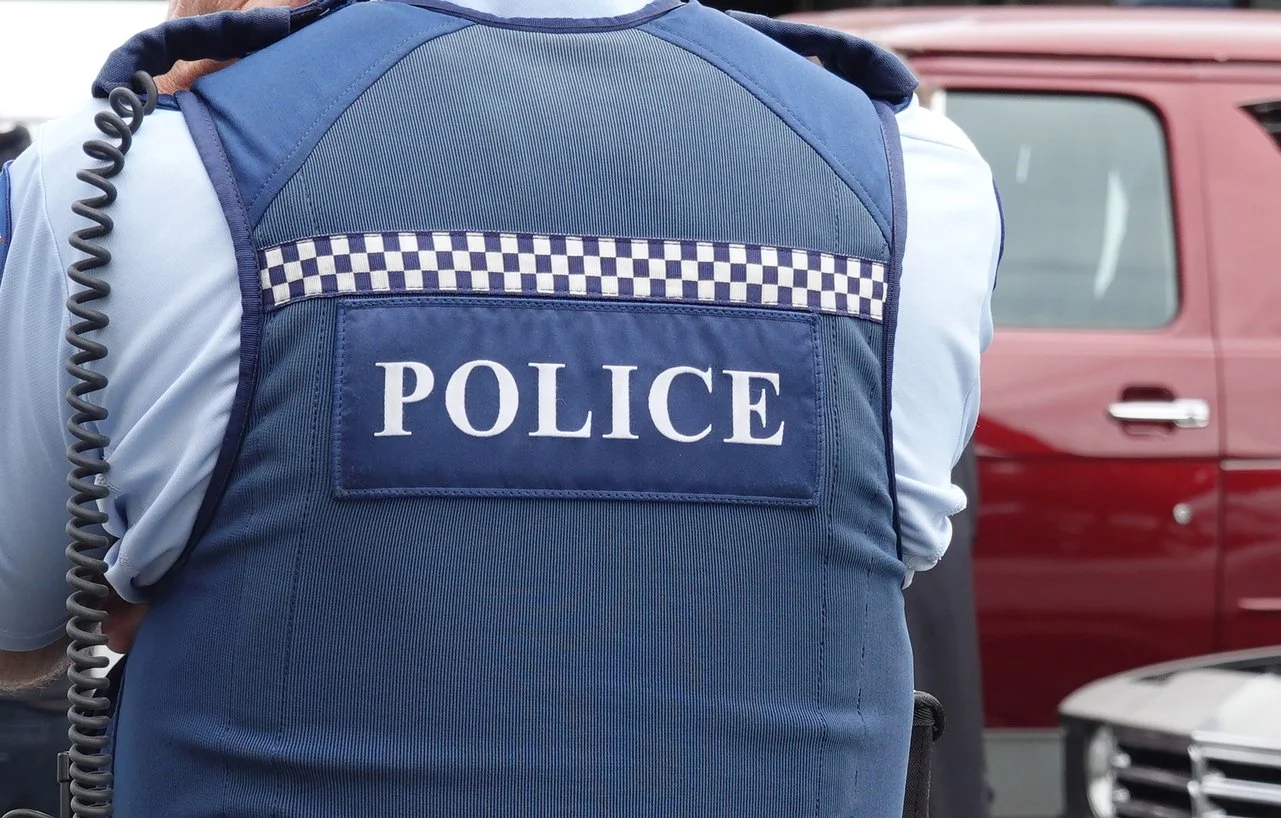
Similar to a breath test, police can now require you to provide an oral sample which tests for the presence of drugs at the roadside.
Currently, this test screens for THC (cannabis), methamphetamine, MDMA (ecstasy), and cocaine.
The process involves the driver wiping the device’s pads down their tongue. Like a passive breath alcohol test which provides a “pass” or “fail” result, the initial oral swab will return a positive result only if any of the four identified drugs are detected at the threshold built into the device.
Positive roadside drug test
If the screening test detects a drug, the driver must:
Provide a saliva sample by holding an absorbent collection pad under their tongue. The saliva sample is sent for laboratory testing; and
Complete a second drug screening test (just like the first).
If the second drug screening test is also positive the driver is forbidden to drive for 12 hours. If the second drug screening test is negative the driver is free to go as long as any other outstanding Police procedures are completed.
If the second test returns a failed result, the saliva sample will still be sent for laboratory testing. While roadside drug testing screens for the presence of THC, methamphetamine, MDMA and cocaine, the saliva sample collected for laboratory analysis will be tested for all of the 25 drugs listed in Schedule 5 of the Land Transport Act 1998. These other drugs include: lprazolam, amphetamine, buprenorphine, clonazepam, codeine, diazepam, dihydrocodeine, fentanyl, GHB, ketamine, lorazepam, methadone, midazolam, morphine, nitrazepam, oxazepam, oxycodone, temazepam, tramadol, triazolam, and zopiclone.
Potential detection times for saliva tests
The drug thresholds for saliva are meant to be indicative of recent use and are set to exclude past use and passive or accidental exposure. Studies give a very wide range of potential detection times for saliva tests:
THC (cannabis) around 12 hours for people who use cannabis infrequently, up to 72 hours for people who use cannabis frequently.
MDMA 2-4 days
Methamphetamine 1-4 days
Cocaine 12-48 hours
Drug driving fines and demerit points
Positive results in these laboratory tests then lead to infringement offences as below:
One listed qualifying drug detected (at or above the laboratory threshold) results in a $200 fine and 50 demerit points
Two or more listed qualifying drugs detected (at or above the laboratory threshold) results in a $400 fine and 75 demerit points
Refusing to comply with roadside drug driving procedures will also result in an infringement notice issued at the roadside that includes a $400 fine, 75 licence demerit points and being forbidden to drive for 12 hours.
You can be tested for alcohol and drugs at the same time, and this is likely as the drug testing is rolled out throughout the country. Our advice is to play it safe, and if you are having a big night out then to plan your transport to avoid driving all-together.
If you collect over 100 demerit points (from drugs, alcohol, or road rule breaches) you receive a three month suspension from driving. Get in touch with our criminal law team if you anticipate a suspension is likely, we can assist you to prepare a limited license. There is no stand-down period for a limited license following suspension so we can assist you early in anticipation of a suspension being imposed. Contact the team at enquiries@toddwalker.com or +64 (03) 441 2743.